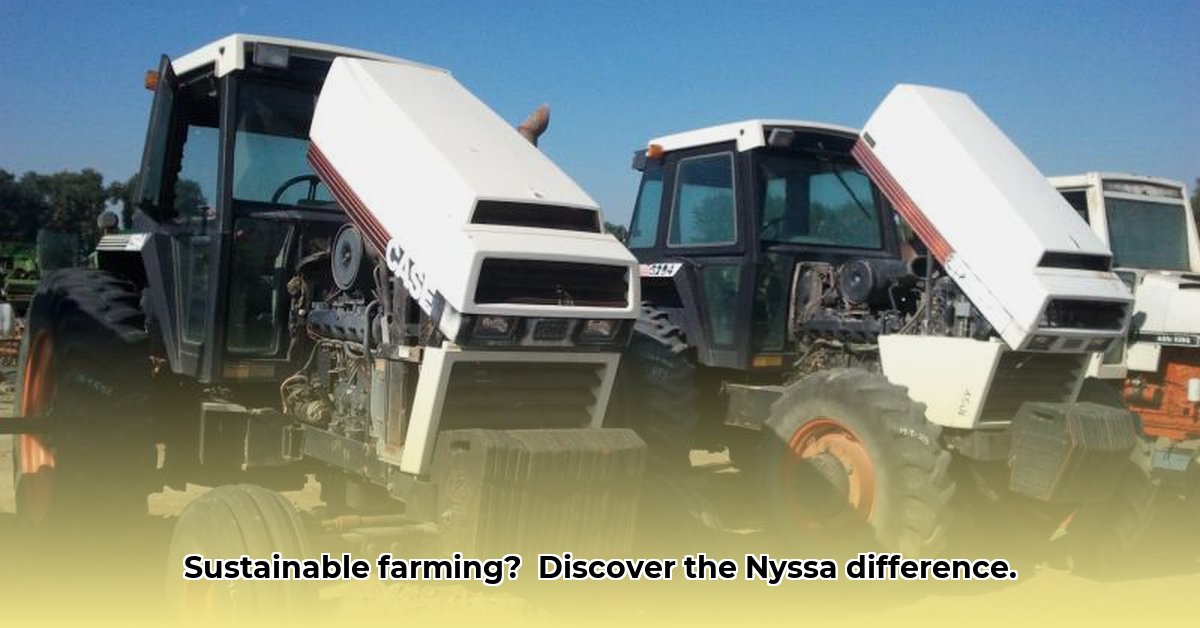
A Case Study in Sustainable Used Farm Equipment Sourcing
Nyssa Tractor and Implement has carved a unique niche in the agricultural equipment market by focusing on high-quality, pre-owned machinery. This case study examines their innovative business model, highlighting both their successes and the challenges they face as they scale their operations. Their approach offers a compelling example of how sustainability and profitability can coexist in a traditionally resource-intensive industry. For smaller farms, consider exploring options like subcompact tractors.
Strengths: Building a Foundation of Success
Nyssa Tractor & Implement boasts a remarkable customer base exceeding 10,000 farmers, a testament to their effective sales strategy and commitment to customer satisfaction. This loyal following, driven largely by positive word-of-mouth referrals, points to a high level of trust and repeat business. Their robust warranty program further solidifies this commitment and demonstrates confidence in the quality of their pre-owned equipment.
Their innovative use of online auctions, in partnership with Pickett Auction Service, dramatically improves sales efficiency and reach compared to traditional methods. This strategic alliance expands their potential customer base and streamlines their sales process, leading to significant revenue gains. Moreover, their network of franchise dealers provides access to a vast inventory of used machinery, offering farmers convenient trade-in options and further enhancing their market reach. This collaborative approach significantly contributes to their overall success. Their commitment to sustainability extends beyond sales; they actively salvage parts from irreparable equipment, demonstrating resourcefulness and minimizing waste.
Challenges: Scaling for Sustainable Growth
While Nyssa Tractor & Implement's current model is highly effective, significant challenges arise as they aim to expand their operations. Their existing dealer network is concentrated within a 1000-mile radius, limiting geographic reach. Expanding this network requires substantial investment in logistics and operational infrastructure. The inherent variability in the quality and availability of used equipment presents additional risks. External factors such as severe weather events, economic downturns, or supply chain disruptions could significantly impact their ability to source and deliver equipment to customers. Effective risk management will be critical for sustained growth.
A Roadmap for Growth: Actionable Steps
Nyssa Tractor & Implement's continued success necessitates a strategic, multi-phased approach focused on both short-term improvements and long-term strategic expansion.
Short-Term Goals (0-1 Year):
Enhance Online Auction Platform: Invest in improvements to the user experience and functionality of the online auction platform to increase efficiency and expand reach. This could include features like enhanced search filters, improved mobile optimization, and advanced bidding functionalities.
Dealer Relationship Management: Strengthen relationships with existing franchise dealers through improved communication, training programs and collaborative inventory management initiatives. This will ensure consistent support and enhanced efficiency across the network.
Implement Advanced Inventory Tracking: Invest in a robust inventory management system leveraging technology to accurately track equipment location, condition, and availability. This will streamline the entire process, minimize storage costs, and reduce potential delays.
Long-Term Goals (3-5 Years):
Strategic Geographic Expansion: Implement a carefully planned geographic expansion strategy, focusing on markets with high potential demand and the ability to replicate the current success model. This may involve establishing regional distribution centers and expanding their dealer network strategically.
Secure Strategic Partnerships: Forge partnerships with key suppliers to ensure a reliable and consistent supply of parts for equipment maintenance and repair, mitigating supply chain risks. This could include negotiating long-term contracts with manufacturers or establishing alternative supply channels.
Develop a Robust Supply Chain Risk Management Plan: Develop contingency plans to mitigate risks associated with supply chain disruptions. This might involve diversifying suppliers, establishing alternative sourcing strategies, or implementing inventory buffer measures.
Navigating the Risks: A Comprehensive Risk Assessment
The following table summarizes key risks and proposed mitigation strategies:
| Risk Factor | Likelihood | Impact | Mitigation Strategy |
|---|---|---|---|
| Online Auction Platform Issues | Low | Medium | Redundancy planning, robust security, regular maintenance, and data backups are crucial. |
| Dealer Relationship Breakdown | Medium | High | Formalized agreements, diversified partnerships, and robust CRM systems are essential. |
| Parts Sourcing Challenges | Medium | Medium | Strategic partnerships with multiple suppliers and a well-managed critical parts inventory are essential. |
| Geographic Expansion Failure | High | High | Thorough market research, a phased rollout approach, strategic location selection, and comprehensive risk analysis are key. |
The Future of Sustainable Farming Solutions
Nyssa Tractor & Implement's innovative business model offers a compelling path toward sustainable and profitable farming practices. Their ability to effectively address the challenges of scalability and supply chain resilience will determine their long-term success. By embracing a proactive and adaptable approach, they are well-positioned to not only continue their growth but also to influence a broader shift towards more sustainable agricultural practices. Their focus on pre-owned equipment, coupled with a robust risk management strategy, positions them for continued success in the evolving agricultural landscape. Their emphasis on transparency and customer satisfaction remains a crucial component of this success.